How to Choose an Exhibition Stand Builder: 5 Questions to Ask Before You Sign
Choosing an exhibition stand builder? Ask these 5 questions before you sign. From fabrication to on-site delivery, here's what separates reliable partners from the rest.
Your exhibition stand is your brand on show. In a hall where every square metre costs money and every visitor is a potential client or partner, the company you choose to design and build that stand determines far more than aesthetics. It determines whether your brief is actually understood, whether the structure arrives at the venue without damage, whether installation finishes before doors open, and whether the whole experience was worth the investment.
Getting this decision right is not complicated, but it does require asking the right questions. Most stand builders can produce a convincing portfolio and a competitive quote. The differences that matter, including production capability, international logistics experience, and what happens when something goes wrong, only become visible when you dig into the detail.
Below are 8 questions that procurement managers, marketing directors, and brand teams use to separate capable builders from unreliable ones. Work through them before you sign anything.
Question 1: Have You Built at This Specific Show Before?
Trade shows are not interchangeable. ADIPEC at ADNEC Abu Dhabi has different floor regulations, contractor accreditation requirements, and build windows than GITEX at Dubai World Trade Centre or Hannover Messe in Germany. Africa Health ExCon in Cairo operates under different logistics and customs conditions than Big 5 Saudi in Riyadh.
A builder who has worked at your target show knows the venue's structural rules (maximum height, electrical load specs, fire safety clearances), the freight deadlines, the approved contractor lists, and the practical layout of the loading docks. That knowledge prevents costly surprises during installation.
When you ask this question, push past the general answer. Ask which specific editions they have built at, what sectors they served, and what the stand dimensions were. If they cannot answer with specifics, treat that as a signal.
- Ask for the show name, edition year, and stand type
- Ask whether they hold current accreditation with the venue or show organiser
- Ask what the build and breakdown window is at your specific show and how they schedule around it
Question 2: What Does the Process Look Like From Brief to Installation?
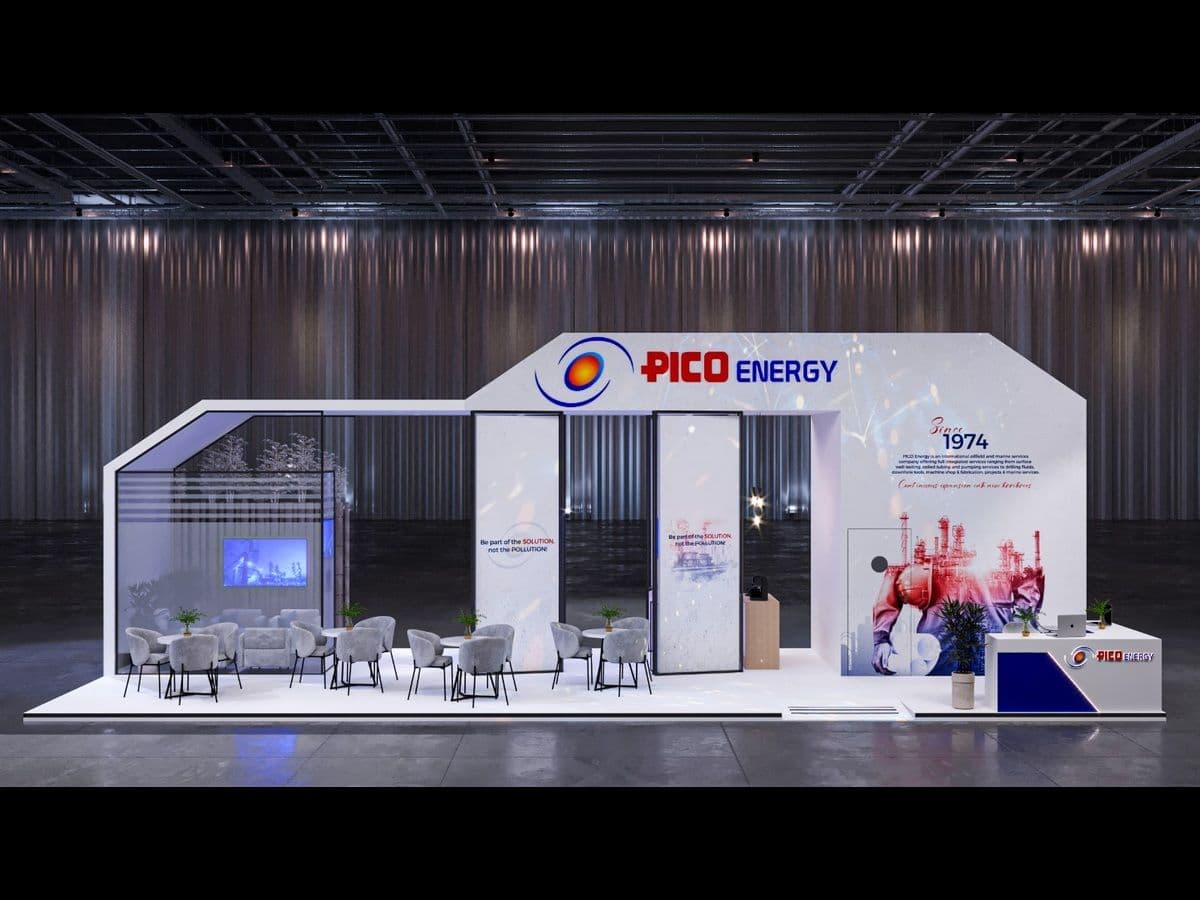
The best exhibition stand builders have a defined process. They can walk you through every stage, from the initial brief and 3D visualisation through to sign-off, production, logistics planning, and on-site installation. If a builder cannot describe this process clearly and confidently, that is a warning sign.
At Hashtag10, the process follows three stages: Design, Build, and Deliver. The Design phase covers the initial creative brief, concept development, and 3D visualisation so clients can review and approve the stand before a single piece of material is cut. The Build phase covers fabrication at the workshop, with client updates at agreed milestones. The Deliver phase covers logistics, customs clearance where required, and on-site installation with a project manager present.
What you are listening for is specificity. A builder who says 'we take care of everything' is telling you nothing. Ask: when do I receive the first 3D concept? How many revision rounds are included? Who is my point of contact during fabrication? Who oversees installation at the venue?
Question 3: Can You Handle International Logistics?
If you are exhibiting outside your home market, logistics become a critical part of the brief. A stand that is beautifully designed and correctly built can still fail if it arrives at customs without the right paperwork, if it misses the freight deadline, or if the local installation crew has no clear direction.
International exhibition logistics involve more variables than most clients expect: ATA Carnet documentation for temporary imports, country-specific material certifications (particularly relevant in Saudi Arabia and Egypt), freight forwarder coordination, local labour agreements at specific venues, and customs brokerage in markets with complex import regulations.
Ask the builder directly: which countries have you shipped stands to in the past 12 months? Do you manage customs documentation in-house or through a third party? What happens if freight is delayed at the border?
Question 4: What Happens If Something Goes Wrong On-Site?
Every experienced exhibition builder has a story about something that went wrong at a show. A panel that arrived damaged. A structural element that did not fit as planned. A power connection that the venue refused to sign off. How a builder handles these situations is a far better measure of their competence than how they present when everything is going to plan.
Ask the builder to describe a specific on-site problem they have had to solve and how they resolved it. Listen for: did they have a team member on the floor, did they have contingency materials available, and did the client's stand open on time? A builder who cannot give you a specific example, or who deflects the question, has not handled enough complex builds to answer it honestly.
Ask whether they have a site manager present during the full build window or only for handover
Ask what contingency materials they carry to the venue
Ask whether they carry professional indemnity and public liability insurance, and request proof
Question 5: Can You Show Me Verified Project Outcomes, Not Just Photography?
Stand photography is marketing material. It shows the stand at its best, usually without the complexity of a real show environment: other exhibitors nearby, full hall lighting, actual visitors interacting with the space. What you need before committing to a builder is evidence of project outcomes, not just finished renders and hero shots.
Ask for case studies that include the client's brief, the specific challenge, and what actually happened at the show. Outcome data might include visitor numbers recorded at the stand, lead generation against target, or client satisfaction feedback. If the builder cannot produce a single case study with measurable outcomes, ask why.
For clients in regulated sectors, ask whether the builder has experience with your specific compliance requirements. Oil and gas companies exhibiting at EGYPES or ADIPEC, pharmaceutical companies at Arab Health, and defense contractors at EDEX have different stand regulations and branding constraints than general technology companies at GITEX or Cairo ICT.
Hashtag10 has delivered exhibition stands for clients in oil and gas, pharmaceutical, transport, technology, government sectors, and more across UAE, Saudi Arabia, Egypt, Oman, Germany, Spain, and Poland. Project examples are available on request for specific markets and trade shows.
What to Expect From a Reliable Exhibition Stand Builder
A strong exhibition partner does not wait for you to ask the right questions. They bring their process, their team, their contingency planning, and their track record into the first conversation. They can tell you which shows they have built at, who specifically will manage your project, and what happens if something does not go to plan.
The five questions above are a starting framework. Use them as a filter, not a checklist.
If you are exhibiting in the UAE, Saudi Arabia, Egypt, Oman, Germany, or any of the 20+ markets Hashtag10 operates across, you are welcome to put these questions to our team directly.
Frequently Asked Questions
How far in advance should I contact an exhibition stand builder?
For major international shows such as ADIPEC, GITEX, and Hannover Messe, the minimum lead time is 12 weeks. Custom island stands or double-decker builds require longer, typically 16 to 20 weeks, to allow for design approvals, material sourcing, and production. For smaller inline stands at regional shows, eight weeks is workable. Contact a builder as soon as your exhibition space is confirmed.
What is the difference between a custom stand and a modular stand?
A custom stand is designed and built specifically for your brief, your floor space, and your brand identity. It offers the most design flexibility but requires longer lead times and higher initial investment. A modular stand uses a system of standardised components that can be reconfigured for different shows and floor sizes. Modular builds cost less upfront and travel more easily between events, but offer less design flexibility. The right choice depends on your budget, how many shows you attend annually, and how important stand uniqueness is to your brand.
What should an exhibition stand brief include?
A good stand brief covers: the show name, venue, and floor plan with your allocated space marked; the build and breakdown window; your stand objectives (lead generation, brand awareness, product launch); the products or services you will be showing; the brand guidelines; any specific requirements such as meeting rooms, demonstration zones, or AV setups; and your budget range. The more specific you can be, the more accurate the quote and the fewer revision rounds you will need.
How do I evaluate quotes from different stand builders?
Compare quotes on a like-for-like basis. Confirm what each quote includes and excludes, particularly freight, installation labour, electrical connections, and dismantling. A lower headline quote that excludes logistics and on-site supervision often costs more in total than a higher quote that includes full project management. Ask each builder to present their quote in the same line-item format so the comparison is accurate.
What happens to my stand after the show?
That depends on whether your stand is a one-off custom build or a reusable design. For one-off builds, the stand is typically dismantled after the show and materials disposed of, unless you specify storage. For reusable modular or semi-custom stands, your builder should be able to offer storage, maintenance between shows, and reconfiguration for your next event. Clarify this in the initial brief and confirm storage costs are included in the contract.
Written by Hashtag10 Team
Expert insights on exhibition design, event strategy, and creating unforgettable brand experiences.
View all articles →